On this page ▾
As a small business owner in the painting industry, making a name for yourself can seem like a challenge. You offer top-notch painting services, but with so much competition out there, how do you make your business stand out?
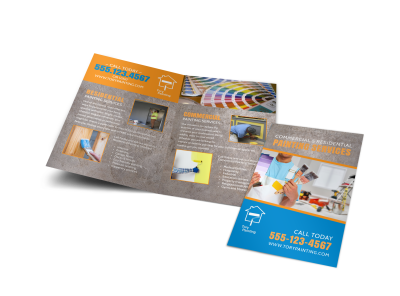
Well, it might be time to turn your attention to your marketing materials, starting with your brochure. A well-designed brochure can be a powerful tool to attract customers and leave a lasting impression.
In this article, we'll explore 10 painting brochure ideas that will make your small business shine. Let's dive in!
1. Show Off Your House
When it comes to painting brochures, one of the best ways to grab attention is by showcasing the end result: a beautifully painted house. Include eye-catching images of the exterior or interior of a house you've painted, allowing potential customers to visualize the transformation.
2. Target Residential and Commercial Customers
Your painting brochure should cater to both residential and commercial customers. Include sections that highlight your expertise in residential painting, as well as your capability to tackle commercial projects. Showcasing your versatility will help your brochure appeal to a wider audience.
3. Highlight Special Services
Do you offer specialized services like cabinet painting or fence staining? Make sure to feature them prominently in your brochure! Highlighting these unique services will set you apart from the competition and attract customers looking for these specific painting needs.
4. Before and After Visuals
Everyone loves a good before and after transformation story. Include before and after visuals in your brochure to showcase the impact of your painting services. Seeing the dramatic difference will leave a lasting impression on potential customers.
5. Client Testimonials
Word-of-mouth is a powerful tool in the painting industry. Include testimonials from satisfied clients in your brochure to build trust and credibility. Make sure to feature quotes that highlight the quality of your work, reliability, and professionalism.
6. Use High-Quality Images
Invest in professional photography or high-resolution images to showcase your work. Poor quality images can make even the best painting job look subpar. High-quality images will help potential customers appreciate the craftsmanship and attention to detail you bring to every project.
7. Clear and Concise Pricing
Don't leave potential customers guessing about your pricing. Clearly outline your pricing structure and any additional charges in your brochure. Being transparent about pricing will build trust and make potential customers more likely to reach out to you.
8. Include a Call-to-Action
Make sure to include a clear call-to-action in your brochure. Whether it's scheduling a consultation, requesting a quote, or visiting your website, guide potential customers on the next steps they should take to engage with your business.
9. Showcase Your Team
Painting is a personal service, so let your customers get to know your team. Include brief profiles or photos of your painters in your brochure. This personal touch will help potential customers feel more connected to your business.
10. Unique Design Elements
Avoid generic brochure templates and go for a unique and memorable design. Incorporate your branding elements, such as your logo and color scheme, and consider using creative layouts or graphics to make your brochure truly stand out.



Conclusion
With these 10 painting brochure ideas in your toolkit, you'll be able to create a marketing piece that truly represents your small business. Remember, a well-designed brochure is a reflection of the quality and attention to detail you bring to your painting projects.
So let your brochure do the talking and watch your small business stand out from the competition!

Eric is a developer who works on the parts of MyCreativeShop that turn a design into something a press can print without complaint. If you have ever wondered why a quarter inch of bleed matters, or what a mailing list really has to contain, his posts are where that gets explained. He considers the office thermostat a solved problem and everyone else wrong.
All posts by Eric Sinner →